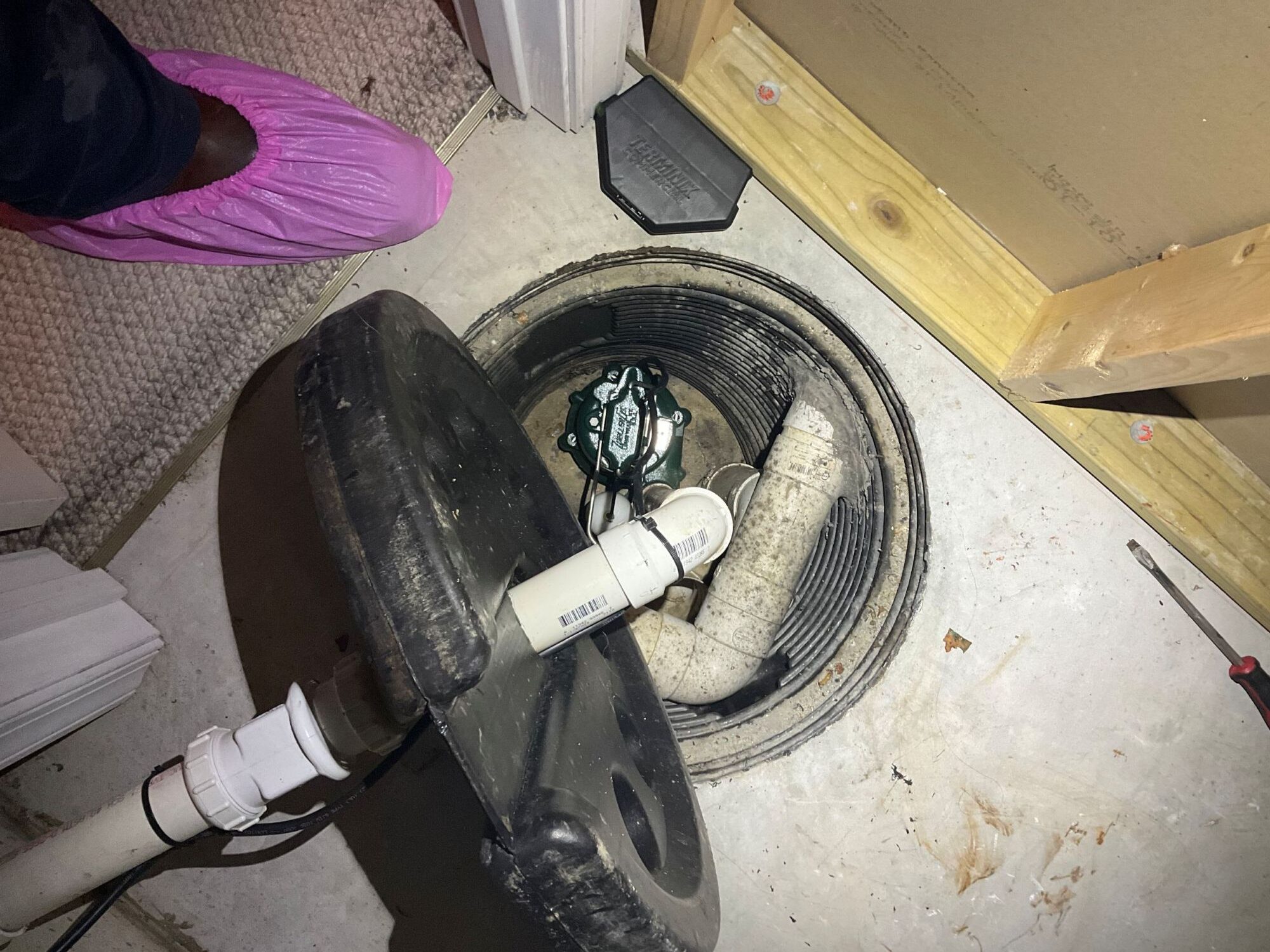

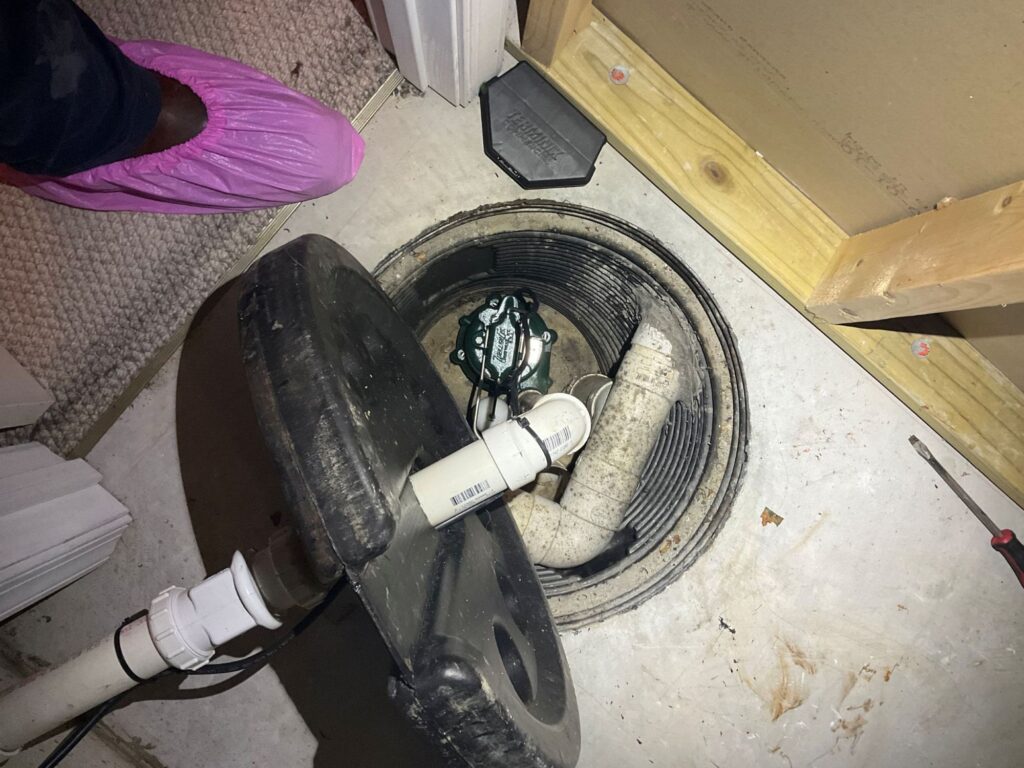
A sump pump is ready for spring when it starts correctly, removes water efficiently, and has no obvious signs of blockage, wear, or power problems. In Pennsylvania, that matters because cold winters often give way to wet spring weather, and older homes in places like Lancaster, Harrisburg, York, Allentown, and the Lehigh Valley may be more vulnerable to basement moisture and water intrusion.
If your sump pump has not been checked in a while, spring is a smart time to look at it before steady rain and snowmelt put more pressure on your basement drainage system.
Why spring is the right time to check a sump pump
Spring brings a messy handoff in Pennsylvania. Frozen ground thaws, rain picks up, and water can collect around foundations. A sump pump helps move that water away from the home, which can reduce the risk of a flooded basement when the system is working as it should.
For homeowners in established Pennsylvania neighborhoods with older housing stock, a sump pump check is a practical seasonal step. It is often easier and less expensive to find a problem during a dry week in spring than during a heavy rain event.
If you’re not sure whether your sump pump is ready for spring rain, a professional inspection can help you catch problems before water reaches the basement floor. Schedule yours today.
Signs your sump pump may need attention before summer
A sump pump often gives warning signs before it fails completely.
Watch for these issues:
Strange noises or constant cycling
Grinding, rattling, or frequent on-and-off cycling can point to a worn motor, a stuck float switch, or debris in the pit.
Visible rust, debris, or buildup
Dirt, gravel, and sediment can interfere with normal operation. If the pit looks dirty or the pump looks corroded, the system may need cleaning or service.
Slow drainage or standing water
If water stays in the pit too long or drains poorly, the discharge line may be blocked or the pump may be undersized or weakening.
Power or backup concerns
A sump pump that depends only on household power may be vulnerable during storms. Adding a backup or standby generator to your system can ensure that your sump pump is always ready to operate.
Musty odors or signs of past moisture
Even if there is no active flooding, damp smells, staining, or moisture marks can suggest the basement has had water issues before.
A simple spring sump pump checklist
A basic spring inspection can help you spot obvious issues early.
- Make sure the sump pump has power and is plugged into a working outlet.
- Check that the discharge line is connected and directing water away from the foundation.
- Look inside the pit for dirt, gravel, or other debris.
- Pour water slowly into the sump pit to see whether the float rises and the pump turns on.
- Listen for unusual sounds during operation.
- Confirm that the pump shuts off after the water level drops.
FEMA advises homeowners to maintain sump pumps because heavy rain can saturate soil and force groundwater toward the basement.
What affects sump pump costs in Pennsylvania
Sump pump costs can vary based on the equipment and the home.
Common factors include:
Pump type
Submersible and pedestal pumps differ in design, price, and noise level. Backup systems can also add cost.
Basement layout and drainage setup
Older Pennsylvania homes may have tighter basement layouts, older discharge piping, or foundation conditions that make installation or replacement more involved.
Electrical or plumbing updates
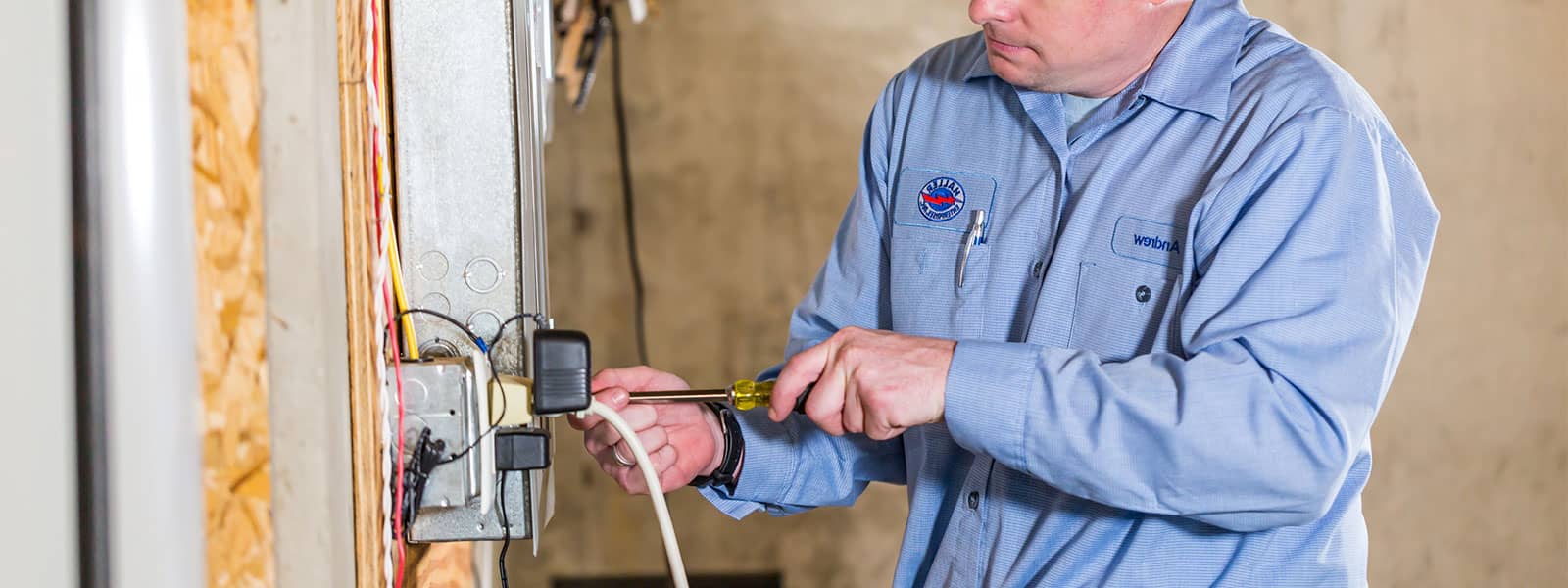
In some cases, a sump pump project may also involve outlet, switch, or discharge-line work.
Emergency timing
A planned spring repair or replacement is usually easier than emergency service during a storm.
Because pricing depends on the home and the system, homeowners should expect costs to vary based on installation complexity, equipment choice, and whether backup protection is added.
Repair or replace: how to decide
A repair may make sense when the problem is isolated and the pump is otherwise in good condition. Common repair situations include a stuck float, a clogged line, or a switch problem.
Replacement may be worth discussing when:
- the pump is failing repeatedly
- the motor struggles to start
- the unit cannot keep up during storms
- the basement has flooded before despite the pump being present
- you want backup protection for power outages
When to call a professional in Pennsylvania
It is time to call a professional when:
- the pump does not turn on during a water test
- the pit fills but drains slowly
- the pump runs nonstop
- the basement has flooded before
- you want to add a battery or water-powered backup
- you are not sure whether the current pump is sized correctly
For homeowners in central and eastern Pennsylvania, local conditions matter. Wet spring weather, older foundations, and storm-related power interruptions can all affect basement water protection.
Spring is one of the best times to check your sump pump before heavy rain puts it to work. If your system is noisy, unreliable, or overdue for attention, schedule service with Haller and get clear guidance on repair, replacement, or backup options.
Frequently Asked Questions
How do I know if my sump pump is ready for spring in Pennsylvania?
A sump pump is ready for spring in Pennsylvania when it turns on during testing, removes water from the pit, and sends that water away from the foundation. A spring test is helpful before heavier rain and snowmelt arrive. Strange noises, poor drainage, or power issues can mean the system needs service.
How can I test a sump pump before spring rain?
A sump pump test before spring rain usually involves pouring water into the sump pit until the float rises and the pump turns on. The sump pump should activate, drain the water, and shut off normally. If the pump does not respond or drains slowly, professional service may be needed.
What are the signs a sump pump is failing?
Signs a sump pump is failing can include loud noises, frequent cycling, slow drainage, standing water, visible rust, or a pump that does not turn on. A failing sump pump can leave a Pennsylvania basement more vulnerable during wet spring weather. Early service can help you decide whether repair or replacement makes more sense.
Should I repair or replace an older sump pump?
An older sump pump may be a repair candidate when the issue is minor, but replacement may be the better option when the pump is unreliable, underperforming, or repeatedly failing. A professional inspection can help confirm whether the current unit is still suitable for the home. Backup protection may also be worth discussing before storm season.
When should I call a professional for sump pump service in Pennsylvania?
A Pennsylvania homeowner should call a professional for sump pump service when the pump fails testing, runs nonstop, drains poorly, or the basement has had water problems before. A professional can also help if you want to add a battery or water-powered backup. Spring is a practical time to schedule service before the next major rain event.