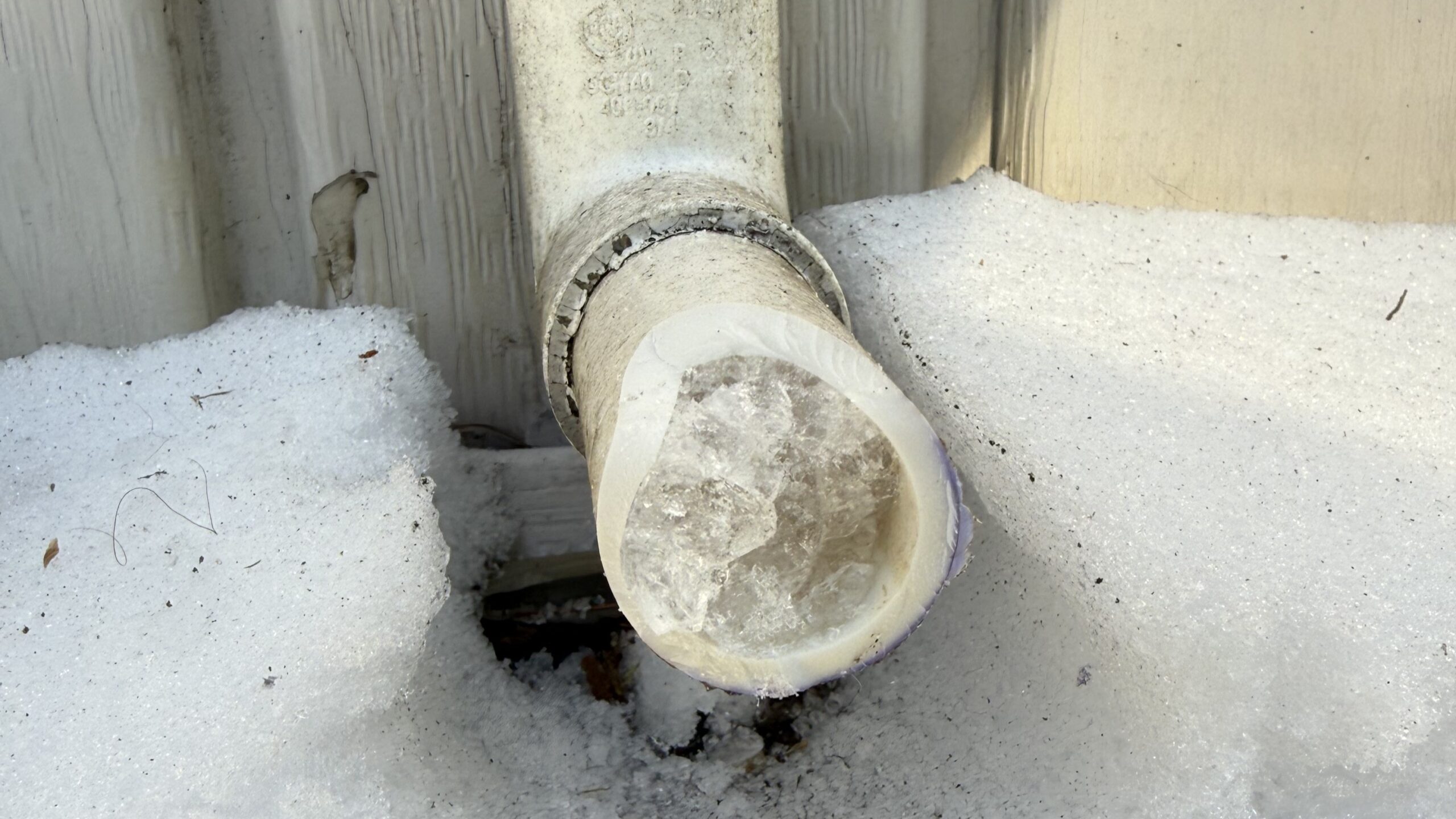

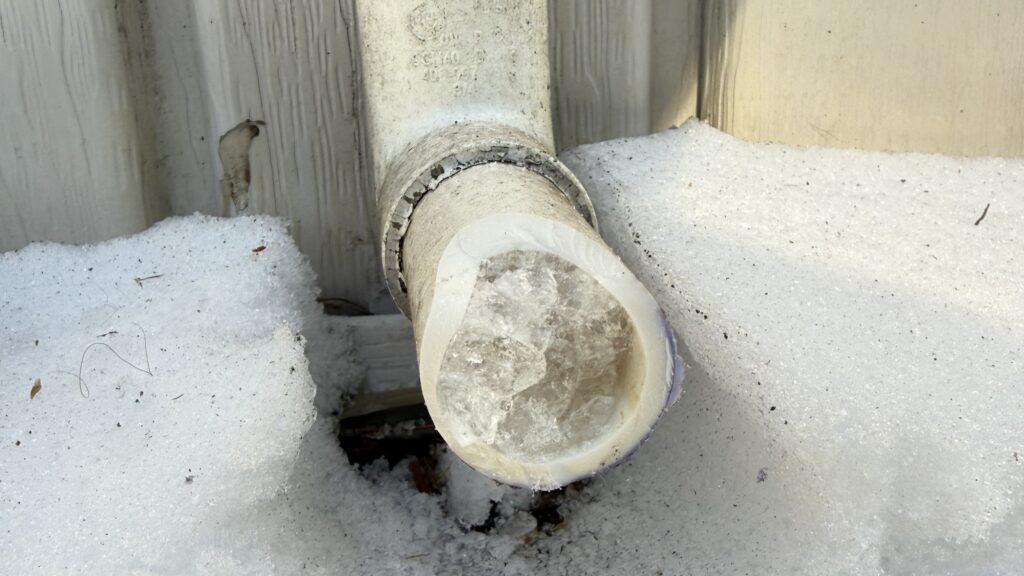
Frozen pipes become a concern when plumbing is exposed to sustained cold, especially in unheated spaces or along poorly insulated exterior walls. Water expands as it freezes, which can put pressure on metal or plastic piping.
For Pennsylvania homeowners, preparation matters most before a hard cold snap arrives. The practical goal is to identify vulnerable plumbing, reduce cold exposure where possible, and know what to do if water flow suddenly drops.
Which pipes are most likely to freeze?
Pipes exposed to severe cold or located in unheated parts of the home usually need the most attention.
Vulnerable areas include
- outdoor hose connections and supply lines;
- basements and crawl spaces;
- attics;
- garages;
- kitchen and bathroom cabinets; and
- pipes running along exterior walls with limited insulation.
Older Pennsylvania homes may also have plumbing routed through additions, unfinished basements, exterior-wall cavities, or other spaces where temperatures fluctuate more than they do in conditioned rooms.
That makes pipe location and cold exposure just as important as the material itself.
How can you reduce the risk of frozen pipes?
Focus on keeping vulnerable plumbing warmer, reducing exposure to cold air, and maintaining water movement through especially exposed lines during severe cold.
Recommended steps include:
- Keep garage doors closed when water lines run through the garage.
- Open sink cabinets when warmer room air needs to reach plumbing along colder walls.
- Let cold water trickle from faucets served by exposed pipes during very cold weather.
- Keep indoor temperatures steady rather than making large temperature setbacks.
- Leave the heat on when traveling during winter.
- Keep a vacant home at no lower than 55°F during cold weather.
A dripping faucet is one prevention measure, not a substitute for insulation or indoor heat. You also do not need to run every faucet in the house. Focus on plumbing that is actually exposed to colder conditions.
What should you do about exposed and outdoor plumbing?
Prepare vulnerable plumbing before prolonged freezing weather arrives.
Insulate exposed pipes
Consider:
- pipe sleeves;
- approved heat tape or heat cable;
- additional insulation in basements, crawl spaces, and attics; and
- relocation of exposed piping when appropriate.
Follow manufacturer instructions for heat tape or cable, and avoid improvised heating equipment that is not intended for plumbing.
In Central or Eastern Pennsylvania homes with unfinished basements, garage plumbing, or pipes near exterior walls, a visual inspection before winter can help uncover exposed sections that are easy to miss.
Winterize outdoor connections
Where the plumbing design allows it:
- remove and drain outdoor hoses;
- winterize sprinkler or irrigation lines;
- close interior valves serving outdoor hose bibs when appropriate; and
- allow exterior connections to drain.
Outdoor plumbing is easier to address before a sustained freeze than after water flow stops.
If you are unsure which plumbing lines are most vulnerable, schedule a plumbing inspection before the next period of extreme cold.
What are the signs of a frozen pipe?
Little or no water from a faucet during freezing weather is one of the clearest signs that a pipe may be frozen.
Other possible signs include:
- visible frost on accessible plumbing;
- sudden loss of water at one fixture;
- reduced flow during extreme cold;
- unusual bulging or cracking in exposed pipe; or
- water appearing after a line begins to thaw.
If water is leaking, locate the main water shutoff if it can be reached safely.
What can you safely do if a pipe freezes?
If the frozen section is safely accessible, keep the faucet open and use controlled, non-flame heat.
Suggested methods include:
- an electric heating pad wrapped around the pipe;
- an electric hair dryer;
- towels soaked in hot water; or
- another controlled heating method appropriate for the location.
Keep the faucet open while thawing so water can begin moving as the ice melts.
Do not use:
- a blowtorch;
- a kerosene heater;
- a propane heater;
- a charcoal stove; or
- another open-flame device.
When should you call a plumber for a frozen pipe?
Call a plumber when the frozen section cannot be safely found, reached, or thawed, or when there are signs the pipe has been damaged.
Professional service also makes sense when:
- the pipe has split;
- water is leaking into walls, ceilings, or floors;
- several fixtures have lost water flow;
- the same line freezes repeatedly; or
- the affected plumbing is behind finished surfaces.
Does a frozen pipe need to be repaired or replaced?
Not every frozen pipe needs replacement.
A pipe that freezes but remains intact may only need thawing and better protection against future cold exposure.
If the pipe is damaged, repair or replacement may depend on:
- where the damage occurred;
- pipe material;
- accessibility;
- whether fittings are involved;
- condition of surrounding piping; and
- whether freezing has happened repeatedly.
Replacing one damaged section without addressing the underlying cold exposure can leave the same area vulnerable during the next cold spell.
What affects frozen pipe repair cost?
Cost depends on whether the pipe only needs thawing or has already broken, along with how difficult the affected area is to reach.
Potential cost drivers include:
- exposed versus concealed plumbing;
- pipe material and size;
- number of damaged sections or fittings;
- access behind walls, ceilings, or floors;
- leak-detection needs;
- access to the water shutoff; and
- restoration needed around the plumbing.
What should Pennsylvania homeowners do before the next deep freeze?
Keep the final checklist simple.
Before severe cold
- Disconnect and drain outdoor hoses.
- Check plumbing in garages, basements, crawl spaces, and exterior walls.
- Insulate accessible vulnerable lines where appropriate.
- Locate the main water shutoff.
- Keep indoor heat steady.
During extreme cold
- Keep garage doors closed around plumbing.
- Open cabinets where vulnerable pipes need warmer indoor air.
- Let exposed lines trickle when appropriate.
If water flow stops
- Suspect a frozen line.
- Keep the faucet open.
- Use controlled, non-flame heat only when the frozen section is safely accessible.
- Watch for leaking as the pipe thaws.
- Call a plumber if the section cannot be safely reached or water flow does not return.
Frozen pipe prevention works best before a hard cold snap reaches your neighborhood.
If a pipe is frozen, leaking, inaccessible, or repeatedly vulnerable, schedule plumbing service with Haller.
Frequently Asked Questions
How can I prevent frozen pipes during extreme cold?
Preventing frozen pipes during extreme cold means insulating vulnerable plumbing, keeping cold air away from pipes, maintaining indoor heat, and allowing exposed faucet lines to trickle when conditions are severe. Focus on garages, crawl spaces, basements, cabinets, attics, and exterior walls.
What temperature do pipes freeze?
Water freezes at 32°F, but there is no single outdoor temperature at which every home’s pipes will freeze. Pipe location, insulation, wind exposure, indoor heat, and how long cold conditions last all affect risk.
What are the signs of a frozen pipe?
A common sign of a frozen pipe is little or no water coming from a faucet during freezing weather. The Red Cross says likely freeze locations include pipes along exterior walls and where water service enters the home.
Does dripping water help prevent frozen pipes?
Letting cold water trickle from a faucet served by exposed plumbing can help reduce frozen pipe risk during very cold weather. Moving water through the line can help prevent freezing.
How should I thaw a frozen pipe?
A frozen pipe should be thawed with controlled, non-flame heat while the affected faucet remains open. Electric heating pads, hair dryers, and hot towels are options. Never use blowtorches, propane heaters, kerosene heaters, charcoal stoves, or other open flames.
When should I call a plumber for a frozen pipe?
Call a plumber when the frozen section cannot be located, reached, or thawed safely, or when the pipe appears damaged or is leaking.