
If your home is in Central or Eastern Pennsylvania—think Lancaster, York, Harrisburg, Reading, Allentown, Bethlehem, or the surrounding counties—it may have been built for a smaller electrical load than today’s homes use. Cold winters and humid summers can also increase demand from heating, cooling, and dehumidification.
If your breakers trip often, you’ve run out of space for new circuits, or you’re planning to add major electrical loads (like EV charging or more electric appliances), it’s smart to schedule an electrical panel inspection. In some homes, the U.S. Department of Energy notes an electrical panel upgrade may be needed to add new electrical equipment.
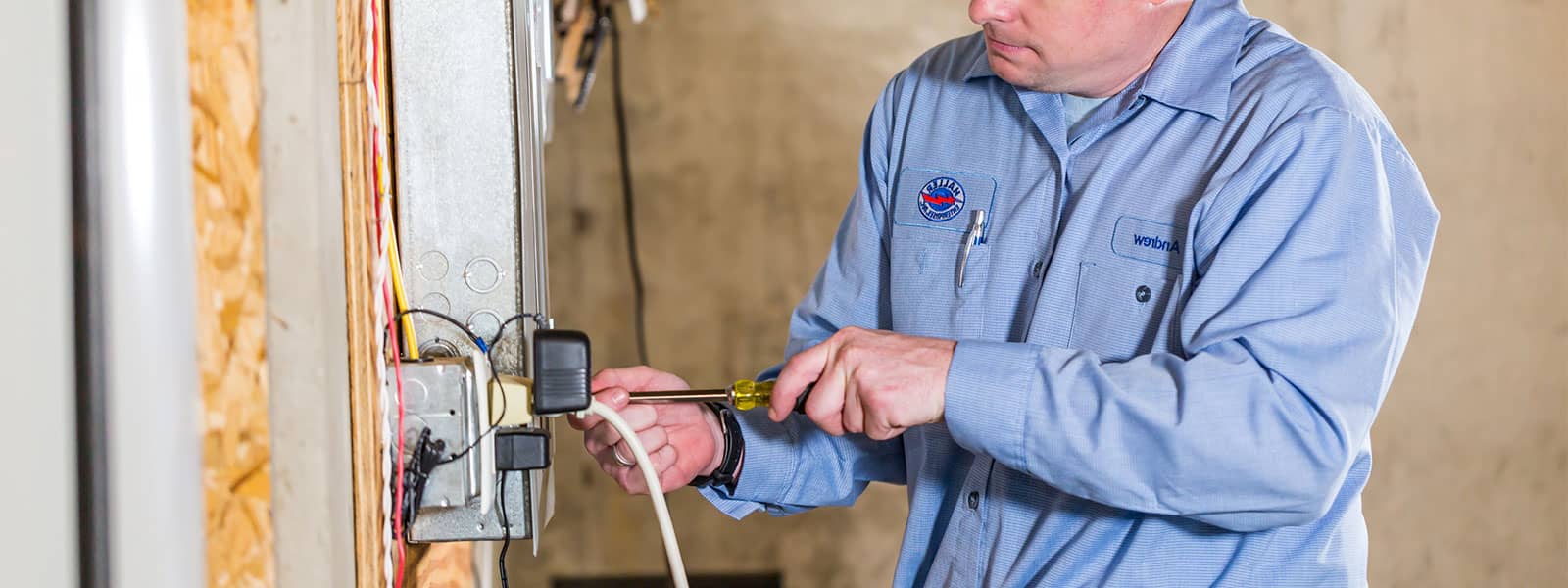
Haller helps homeowners across Central and Eastern PA get clear, practical answers—what’s safe to keep, what needs correction, and what upgrades make sense for how you live today.
Safety note— If you smell burning, see smoke, or hear loud buzzing at the panel, treat it as urgent. NFPA’s home electrical safety guidance is clear that electrical issues can become serious quickly.
Which warning signs are true electrical panel safety issues?
Some symptoms are more than “annoying.” They can be warning signs of heat, loose connections, or equipment damage.
Common signs you need an electrical panel upgrade (or at least a professional evaluation) include:
- Breakers that trip repeatedly during normal daily use (not a one-time overload).
- Burning smell, scorch marks, or melted plastic around breakers or the panel cover area.
- Buzzing or crackling that’s new or persistent.
- Corrosion or moisture on or inside the panel (common in older basements).
- Lights that flicker or dim when large appliances start (a sign to check load and connections).
If you’re seeing any of these, the next best step is an electrical panel inspection—because the right fix depends on what’s actually causing the symptom.
Is your electrical panel capacity sized for today’s home?
Electrical panel capacity is your home’s ability to safely handle how much power you use at once—and how much you plan to add.
Today, homeowners often add “big load” items like:
- EV charging
- Induction cooking
- Heat pumps or other electrification upgrades
The DOE specifically notes that some homes may need a panel upgrade to add new electrical equipment, and it links panel readiness to upgrades like induction cooking and EV charging.
ENERGY STAR also notes that the extent of electric upgrades varies by situation, and many newer homes are commonly equipped with larger service (often referenced as 200A).
A simple, safe homeowner check (no tools):
- Open the panel door without removing the dead-front cover and look for unused breaker spaces.
- If every space is filled, that doesn’t automatically mean you need a full replacement—but it does mean planning matters before adding new circuits.
If you’re planning an EV charger, kitchen remodel, or adding new electric equipment, Haller can start with an electrical panel inspection to confirm your current capacity and outline safe options—before you spend money on equipment that needs more power than your panel can support.
What counts as an old or outdated electrical panel in Central and Eastern PA?
An old electrical panel isn’t just about age. It’s about condition, available circuit space, and whether the system has been stretched beyond what it can safely handle.
In older PA homes, homeowners often run into:
- Limited circuit space (hard to add new dedicated circuits)
- Moisture-related corrosion in basements
- Signs of past “workarounds” that should be evaluated by a pro
A good inspection should identify what you have and explain your real options—repair, targeted upgrades, or full electrical panel replacement.
What a professional electrical panel inspection should include?
A professional inspection should replace uncertainty with a clear plan.
At a minimum, the electrician should:
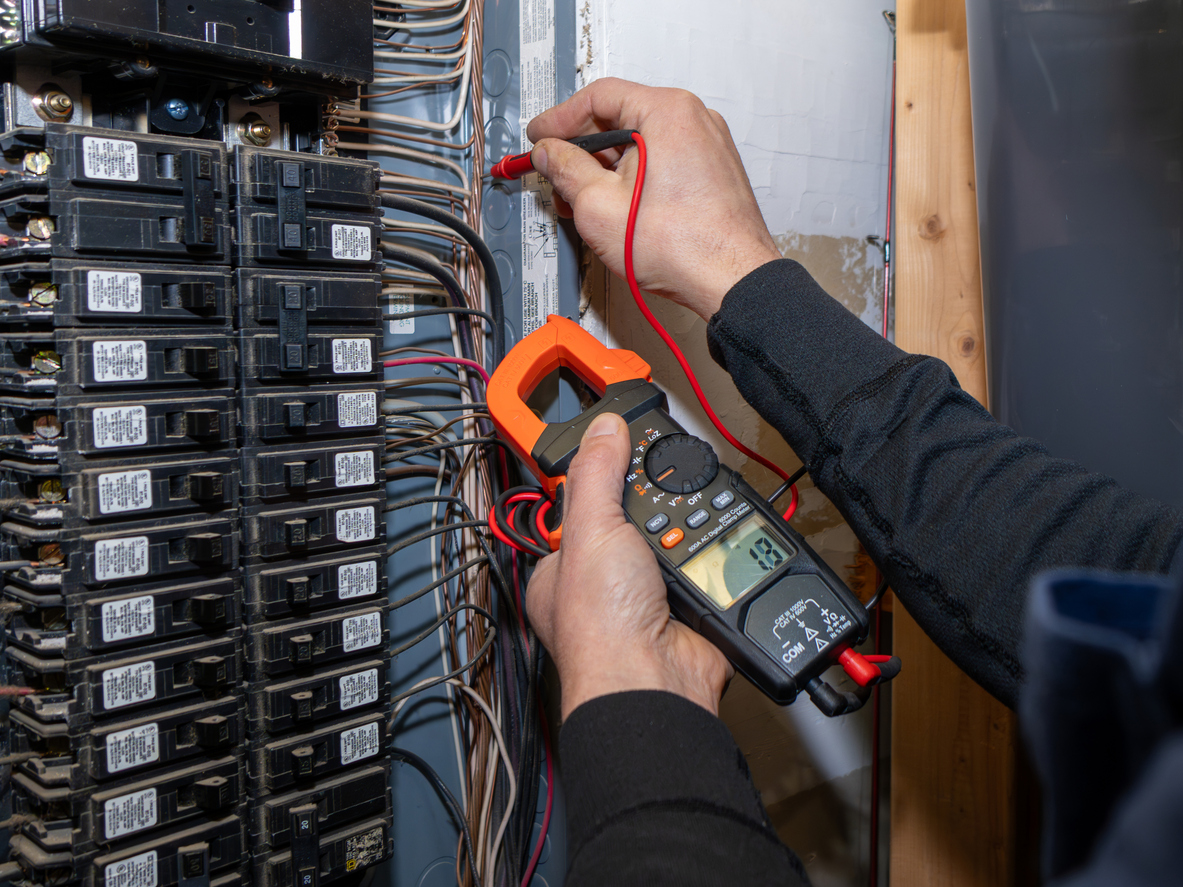
- Look for heat damage, corrosion, and loose connections (using safe testing methods)
- Review breaker condition and labeling (so you know what’s on each circuit)
- Check for signs that your current setup can’t support planned loads like EV charging or new electric appliances
- Explain findings in plain language: what’s safe, what needs correction now, and what can be planned later
Repair vs. replacement: which is more likely?
Sometimes a focused repair solves the issue. Other times, replacement is the safest and most practical choice.
A repair may make sense when:
- The panel is in good condition and properly sized
- The issue is isolated (one breaker or one circuit problem)
Electrical panel replacement becomes more likely when:
- There’s heat damage or significant corrosion at the panel
- You’re out of space and need new circuits for planned upgrades
- You’re adding major loads and the existing setup can’t safely support it
A neighborly way to think about it: if you’re investing in big home upgrades, it’s worth making sure the electrical “foundation” is ready first.
Electrical panel requirements in Pennsylvania: do you need a permit?
In Pennsylvania, the Uniform Construction Code states that an owner (or authorized agent) must obtain the required permit before replacing an electrical system regulated by the UCC.
Pennsylvania also provides state guidance and resources for UCC permit processes through its official services portal.
What this means for homeowners:
- Permit and inspection steps are typically coordinated through your local building code office.
- Your electrician should explain how permits/inspections will be handled where you live (township/borough/city workflows can vary).
When to call a professional in Central and Eastern PA
Call a licensed electrician if:
- You notice safety warning signs (burning smell, buzzing, corrosion, heat damage)
- You’re planning major new loads (EV charging, electrification) and want to avoid surprises
- Your panel is full or breakers trip frequently
Haller serves Central and Eastern Pennsylvania homeowners with electrical troubleshooting, inspections, and panel upgrade planning—so you can move forward with a clear, safe plan.
If you want a confident next step, schedule an electrical panel inspection with Haller. You’ll get a practical explanation of your panel’s safety and capacity, plus clear options for repair or electrical panel replacement based on what your home needs.
Frequently Asked Questions
Homeowners often ask these questions when considering an electrical panel upgrade in Pennsylvania.
What are the biggest signs you need an electrical panel upgrade?
Common signs you may need an electrical panel upgrade include repeated breaker trips, burning smells near the panel, buzzing sounds, corrosion, or visible heat damage. These issues can indicate overloaded circuits or deteriorating electrical components.
Homes adding new electrical loads—such as EV chargers, heat pumps, or additional appliances—may also need a panel upgrade to safely support the added demand.
Do I need a permit to replace an electrical panel in Pennsylvania?
Yes. In most cases, replacing an electrical panel in Pennsylvania requires a permit under the state’s Uniform Construction Code (UCC). The property owner or an authorized contractor must obtain the required permit before work begins.
Your local building or code enforcement office typically handles permit approval and schedules the final inspection to confirm the panel replacement meets safety requirements.
How do I know if my electrical panel has enough capacity?
An electrical panel’s capacity depends on the size of the electrical service (such as 100-amp or 200-amp), how circuits are distributed, and whether new electrical equipment will be added.
If you plan to install high-demand equipment like EV chargers, heat pumps, or electric appliances, the U.S. Department of Energy notes that some homes may require a panel upgrade to support the additional load.
A licensed electrician can perform a load calculation to determine whether your current panel has enough capacity.
Can you repair an old electrical panel, or do you need to replace it?
In some cases, an electrical panel can be repaired, such as replacing a faulty breaker or correcting a wiring issue. However, full replacement may be recommended if the panel shows heat damage, corrosion, outdated components, or lacks space for additional circuits.
A licensed electrician should evaluate the panel and explain whether a targeted repair is safe or if a replacement would provide better long-term reliability and capacity.
What should I do if I smell burning near my electrical panel?
If you smell burning near your electrical panel, treat it as a potential electrical safety issue. Burning odors can indicate overheated wiring, failing breakers, or other hazardous conditions.
If it’s safe to do so, stop using the affected circuits and contact a licensed electrician for an inspection. If you see smoke, sparks, or active electrical damage, prioritize safety and contact emergency services.