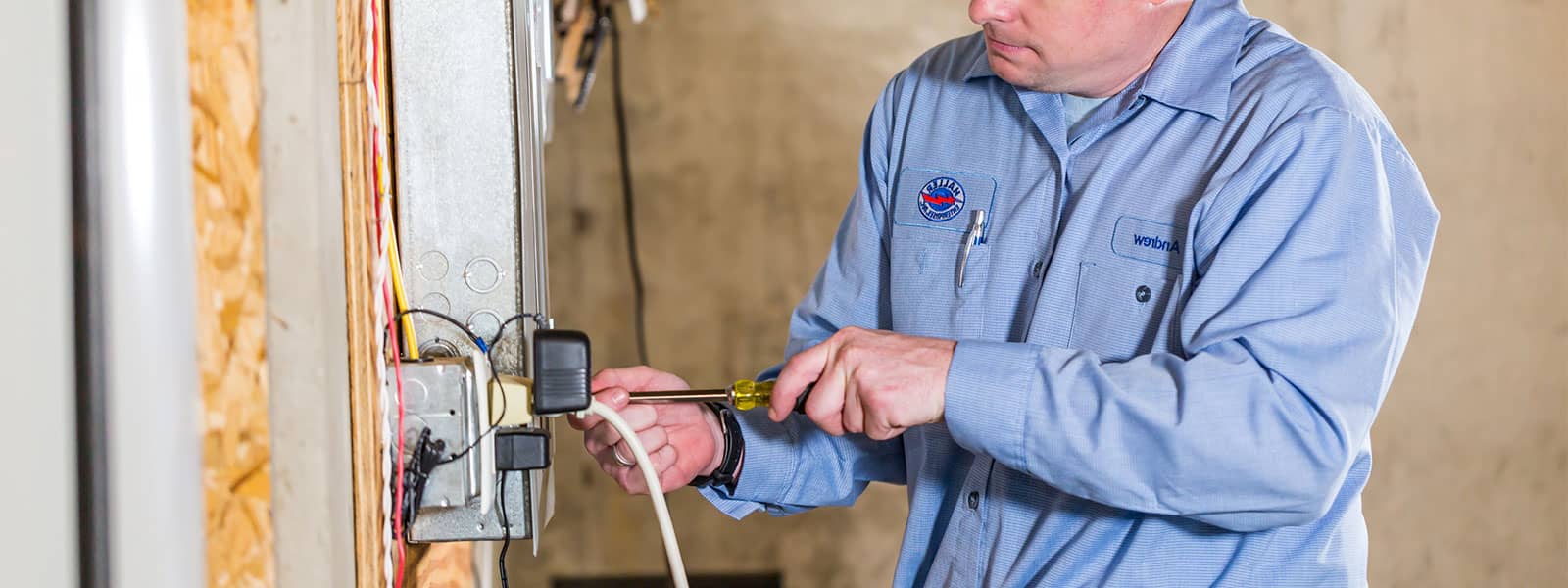


If your AC is not cooling in Pennsylvania, it is often an early warning sign before summer heat puts more strain on the system. In short—spring is when small issues show up, and summer is when they turn into bigger problems.
Haller can diagnose cooling issues and suggest an AC repair or AC replacement before peak summer demand hits.
What signs mean your HVAC system needs attention?
Common signs include:
- AC running but not cooling
- Weak airflow
- Uneven temperatures
- Higher humidity indoors
- Longer run times
Older homes in areas like Harrisburg, Lancaster, and the Lehigh Valley may experience these sooner due to aging ductwork and insulation.
8 Common Reasons an AC Stops Cooling
1. Could a dirty air filter stop my AC from cooling?
Yes, a dirty air filter is one of the most common reasons an AC system struggles to cool properly.
When the filter becomes clogged with dust and debris, airflow is restricted, making it harder for your system to circulate cool air throughout the home. In some cases, poor airflow can even cause the system to freeze up.
This is also one of the easiest things homeowners can check themselves. Turn the system off, locate the filter, and inspect it for buildup or discoloration. If it looks dirty, replace it with the correct size and type listed on the filter frame.
In many Central and Eastern PA homes, filters may be located in hallway returns, basements, utility closets, attics, or inside the air handler itself. If you’re unsure which replacement to buy, take a photo of the existing filter label before heading to the store.
2. Can thermostat settings make the AC blow warm air?
Absolutely. Incorrect thermostat settings can make it seem like your AC isn’t working even when the equipment itself is fine.
First, make sure:
- The thermostat is set to “Cool”
- The fan is set to “Auto”
- The temperature setting is lower than the current room temperature
If the fan is set to “On,” the blower may continue circulating air even when the cooling cycle isn’t running, which can sometimes feel like warm air coming from the vents.
3. Do closed vents or blocked returns affect cooling?
Yes, blocked vents and restricted returns can reduce airflow and create uneven temperatures throughout the home.
Walk through your house and check for:
- Furniture covering vents
- Curtains blocking airflow
- Rugs over floor registers
- Storage boxes near return grilles
This issue is especially common in finished basements, additions, bonus rooms, and converted spaces.
It’s also worth noting that closing multiple vents rarely saves energy. In fact, it can increase system pressure and make your AC work harder than it should.
4. Can the outdoor AC unit cause poor cooling?
Definitely. Your outdoor unit needs proper airflow to release heat from the home.
Leaves, grass clippings, weeds, shrubs, and debris around the condenser can interfere with performance and reduce cooling efficiency. Homeowners can safely clear vegetation and debris around the unit, but should avoid opening panels or spraying electrical components directly with water.
In Pennsylvania, seasonal pollen, cottonwood, and storm debris can also build up on outdoor coils over time. If the unit appears heavily clogged or dirty, professional cleaning may be needed.
5. Could ice on the AC mean something is wrong?
Yes, ice on refrigerant lines or indoor coils is usually a sign that something isn’t operating correctly.
Frozen components are often caused by:
- Restricted airflow
- Dirty filters
- Low refrigerant
- Mechanical issues within the system
If you notice ice, turn the system off and allow it to thaw completely. Never try to chip away the ice yourself, since that can damage delicate components.
If the ice returns after changing the filter and checking airflow, it’s time to schedule professional service.
6. Does low refrigerant make an AC stop cooling?
Yes. Low refrigerant levels can prevent your AC from cooling effectively, but refrigerant issues are not a DIY repair.
Unlike gasoline in a car, refrigerant should not get “used up.” Low refrigerant usually indicates a leak or another system problem that requires professional diagnosis.
The licensed HVAC technicians at Haller can inspect the system, test refrigerant pressures, identify leaks, and recommend the best solution for your home.
Attempting refrigerant repairs without proper tools and certification can damage the system and create safety risks.
7. Can electrical problems make the AC run but not cool?
They can. Some electrical issues allow parts of the system to run while preventing the AC from cooling properly.
Start by checking:
- Your thermostat display
- The circuit breaker panel
- Any recently tripped breakers
If a breaker trips once, you can try resetting it one time. But if it trips again, stop resetting it and contact a professional.
Repeated breaker trips can indicate deeper HVAC or electrical issues that require proper diagnosis.
8. Is the AC too old or worn out to cool well?
Sometimes, yes. Older systems can lose efficiency and struggle to maintain comfort during hot, humid Pennsylvania summers.
If your AC frequently needs repairs, cools unevenly, runs constantly, or can’t keep up on hotter days, it may be time to discuss replacement options.
In many older Central and Eastern PA homes, additions, finished basements, insulation changes, or aging ductwork can also impact performance. That’s why proper sizing matters. A quality replacement recommendation should be based on your home’s current layout and comfort needs, not just the size of the old unit.
Schedule HVAC system maintenance now before summer demand makes scheduling tighter
What can you safely check before calling a professional?
Homeowners can safely:
- Replace filters
- Adjust thermostat settings
- Clear outdoor debris
- Confirm vents are open
- Reset a breaker once
Safety note—if the system continues to struggle, makes unusual noises, or trips breakers repeatedly, that’s where a pro comes in. Haller offers 24/7 emergency HVAC service.
When should you repair vs replace your HVAC system?
Air conditioner repair may make sense when the issue is isolated and the system is otherwise working well.
Air conditioner replacement may be worth considering when:
- Repairs are becoming frequent
- Cooling is inconsistent
- Energy bills are rising
- The system struggles during heat waves
The goal is to avoid repeated repairs on a system that may not keep up during peak summer conditions.
What affects HVAC cost in Pennsylvania?
Costs depend on:
- Type of issue
- System age
- Parts required
- Labor and access
- Home layout
Pennsylvania homes vary widely, especially older properties, so in-home evaluation is the most accurate way to estimate cost.
When should you call a professional in Pennsylvania?
You should call a professional when:
- The AC is running but not cooling
- Airflow is weak
- The system cycles frequently
- Breakers trip more than once
- The issue keeps returning
Bottom line—if your AC is not cooling now, it is better to address it before summer rather than wait for a breakdown.
Schedule service with Haller today to get your system ready for summer
Frequently Asked Questions
Why is my AC not cooling properly in Pennsylvania?
An AC that is not cooling properly in Pennsylvania is often caused by airflow issues, dirty filters, thermostat problems, or system wear. Seasonal humidity can also make cooling problems more noticeable.
What should I check before calling for AC repair?
Before calling for AC repair, homeowners should check the air filter, thermostat settings, airflow, and breaker panel to rule out simple issues.
When should I call an HVAC professional?
You should call an HVAC professional when your AC is running but not cooling, airflow is weak, or the issue continues after basic checks.
Can an old AC system cause cooling problems?
An older AC system can cause cooling problems because efficiency declines over time and components wear out, especially during heavy summer use.