
Summer heat can expose commercial HVAC problems fast. Weak airflow, uneven temperatures, long run times, and rising utility bills may all mean your building needs attention before cooling demand peaks.
For business owners, facility managers, and property teams in Pennsylvania, the goal is practical: keep people comfortable, protect operations, and avoid surprise repairs during the hottest weeks of the year. Haller provides commercial HVAC services throughout Central and Eastern Pennsylvania.
What should businesses check before peak cooling season?
Businesses should check airflow, thermostat schedules, equipment access, service history, and recent utility trends before the first stretch of steady heat.
Start with the basics your team can safely review:
- Are some offices, tenant spaces, retail areas, or work zones warmer than others?
- Does the system run longer than it used to?
- Are vents or returns blocked by furniture, inventory, displays, or stored materials?
- Do thermostat schedules match actual building hours?
- Are filters overdue for replacement?
- Have utility bills climbed without a clear change in usage?
Central and Eastern Pennsylvania can move quickly from cool spring mornings to humid summer afternoons. That seasonal swing can make small HVAC issues feel bigger once a building is fully occupied.
Schedule an inspection with Haller before peak summer heat hits
What signs mean your building may overheat this summer?
A building may overheat this summer if the cooling system cannot keep temperatures steady during normal operating hours.
Watch for these HVAC warning signs:
- Uneven temperatures
Hot and cold spots can point to airflow, controls, zoning, duct, or equipment issues. - Poor airflow
Weak air from vents may be tied to dirty filters, blocked returns, fan problems, or duct restrictions. - Rising energy bills
If operations have not changed, higher bills may mean the system is running longer than expected. - Long run times
A commercial cooling system that rarely cycles off may be struggling to meet demand. - Humidity complaints
Sticky indoor air can affect comfort during Pennsylvania’s humid summer weather. - New sounds or vibration
Rattling, buzzing, grinding, or sudden short cycling should be documented.
One sign does not always mean a major failure. A pattern of signs is the stronger signal.
What can facility teams safely check before calling?
Facility teams can safely document symptoms, check visible filters, clear blocked vents, confirm thermostat schedules, and review maintenance records before calling.
Here’s a useful pre-call checklist:
- Note which areas are too warm.
- Record when the issue happens.
- Confirm thermostats are set to the right schedule.
- Check whether doors, vents, or returns are blocked.
- Review recent maintenance dates.
- Compare recent utility bills to similar months.
- Make sure roof, mechanical-room, and equipment access areas are clear.
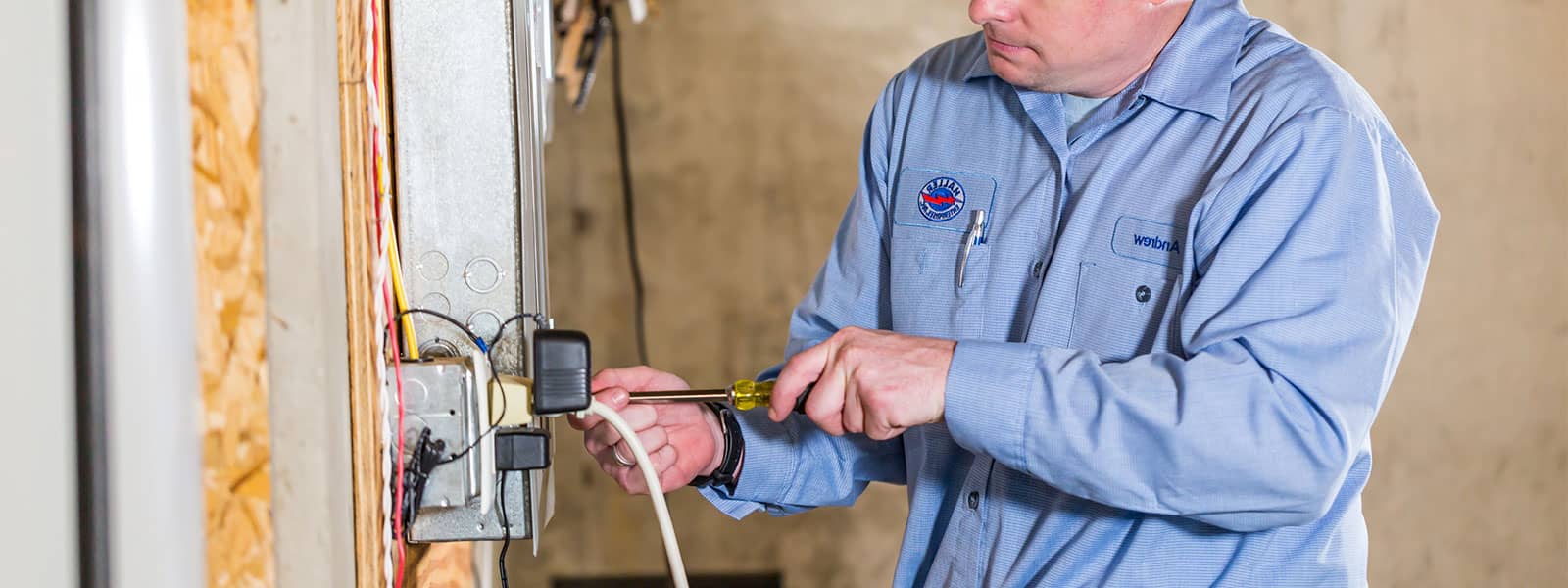
Safety note—do not open electrical panels, handle refrigerant lines, remove guarded panels, or bypass controls. That work belongs with a trained commercial HVAC professional.
When should a business call a professional?
A business should call a commercial HVAC professional when comfort problems repeat, the system runs constantly, utility bills rise, or safe basic checks do not solve the issue.
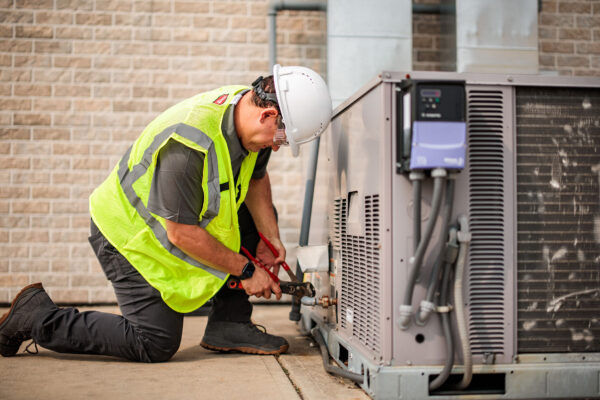
That’s when a pro should step in. Commercial systems may include rooftop units, multiple zones, ventilation controls, larger loads, tenant needs, and operating schedules. A technician can inspect the system, review controls, check airflow, and explain the next step clearly.
Call sooner if:
- Employees, tenants, customers, or occupants are uncomfortable.
- One area of the building is consistently warmer.
- Cooling affects equipment, operations, storage, or customer experience.
- The system short cycles or runs without catching up.
- You hear new mechanical or electrical sounds.
- You are planning summer building maintenance or budgeting repairs.
When should a business repair vs. replace commercial HVAC equipment?
A business should compare repair and replacement when repairs repeat, comfort stays inconsistent, or the equipment no longer supports the building’s operating needs.
Repair may make sense when:
- The issue is isolated.
- The system has been maintained.
- Parts are available.
- Comfort improves after service.
- The repair supports near-term business use.
Replacement or upgrade planning may make sense when:
- Repairs are becoming frequent.
- The system struggles in peak heat.
- The building’s layout, hours, or occupancy changed.
- Utility bills keep rising.
- Controls, zoning, or ventilation needs changed.
- The equipment is aging and less reliable.
For commercial teams, this decision is not just about equipment. It can affect budgets, tenant communication, staff comfort, downtime windows, and capital planning.
What affects commercial HVAC cost in Central and Eastern Pennsylvania?
Commercial HVAC cost depends on system type, building size, access, controls, ductwork, ventilation needs, electrical requirements, and whether the project is maintenance, repair, replacement, retrofit, or installation.
Common cost drivers include:
- Building size and cooling load
- Number of zones or tenant areas
- Rooftop, ceiling, or mechanical-room access
- Equipment age and parts availability
- Controls and scheduling needs
- Ductwork or airflow corrections
- Electrical coordination
- Off-hour work to limit disruption
- Permit or inspection requirements
- Equipment efficiency and utility-program eligibility
In older Pennsylvania commercial buildings, mixed renovations and older mechanical layouts can add time. In newer spaces, controls and occupancy schedules may matter more.
How can businesses prepare before the first heat wave?
Businesses can prepare by documenting symptoms, scheduling an HVAC inspection, reviewing utility trends, and setting a repair-or-replace decision path before peak cooling demand.
Here’s the process:
- Walk the building during occupied hours.
- Note hot spots, weak airflow, humidity, and noise.
- Review recent utility bills.
- Check maintenance records.
- Confirm thermostat schedules.
- Identify tenant, employee, or customer comfort complaints.
- Schedule commercial HVAC service before peak summer demand.
That planning gives your team better information. It also helps decision-makers choose between maintenance, repair, phased replacement, or a larger capital plan.
Schedule commercial HVAC service with Haller to understand your system condition before the heat settles in
Frequently Asked Questions
What are the warning signs that a commercial HVAC system needs maintenance?
Commercial HVAC maintenance may be needed when a building has uneven temperatures, weak airflow, rising energy bills, unusual noises, humidity complaints, or long run times. In Pennsylvania, humid summer weather can make these issues more noticeable. Document where and when symptoms happen before scheduling service.
What can facility teams check before scheduling commercial HVAC service?
Facility teams can safely check thermostat schedules, blocked vents, visible filter condition, comfort complaints, equipment access, and recent utility bill trends before scheduling commercial HVAC service. Do not open electrical panels, handle refrigerant lines, or bypass controls.
When should a business repair or replace commercial HVAC equipment?
A business should compare commercial HVAC repair and replacement when repairs repeat, comfort problems continue, energy use rises, or the system no longer supports the building’s hours or occupancy. The right path depends on equipment condition, access, controls, and operating needs.
Does Haller provide commercial HVAC service in Central and Eastern Pennsylvania?
Haller provides commercial HVAC service in Central and Eastern Pennsylvania. Businesses can request service or discuss inspection, repair, replacement, and installation needs.