
Safely navigating spring power surges starts with prevention. Pennsylvania homeowners can lower the risk of damage during spring storms by paying attention to warning signs, using proper surge protection, and getting electrical issues checked before heavy rain, lightning, and power disruptions become more common.
That matters in Pennsylvania because cold winters often give way to wet springs and storm activity, and many homes in central and eastern PA have older electrical systems that may not be ideal for modern electronics and appliances. Haller offers electrical services across central and eastern Pennsylvania.
Why spring power surges are a concern
Power surges can come from outside the home, such as lightning activity or utility events, and from inside the home when large appliances cycle on and off. The Electrical Safety Foundation International (ESFI) says many surges come from internal sources, while the National Weather Service notes that a complete lightning protection approach includes surge protection for incoming power and communication lines.
For homeowners in places like Lancaster, Harrisburg, York, Allentown, and the Lehigh Valley, spring weather can bring exactly the mix of thunderstorms, moisture, and grid interruptions that make surge protection worth thinking about.
If you want to reduce spring surge risk before storm season ramps up, an electrical inspection can help identify warning signs and provide practical protection options for your home. Schedule your inspection now.
Signs your electrical system may need attention
A home does not need a dramatic outage to show electrical warning signs. Smaller clues can point to a system that needs professional attention before storm season.
Flickering lights or nuisance breaker trips
- Lights that flicker when appliances start, or breakers that trip often, can point to overload, loose connections, or other electrical issues that should be checked by a licensed electrician.
Burning smells, buzzing, or warm outlets
- A burning odor, buzzing at outlets or switches, or receptacles that feel warm are not normal. These are safety concerns and should not be ignored.
Outdated protection for modern electronics
- Today’s homes often have HVAC equipment, internet gear, smart devices, refrigerators, and entertainment systems that are more sensitive to voltage changes than older electronics. The growth of electronics and microprocessors in homes increases the need for surge protection.
No clear surge protection strategy
- Basic power strips alone may not protect the entire home. ESFI explains that Type 1 and Type 2 surge protective devices are designed for broader protection at or near the service entrance and panel.
Spring power surge safety tips
These practical steps can help reduce risk before spring storms roll through Pennsylvania.
1. Check the condition of your panel and outlets
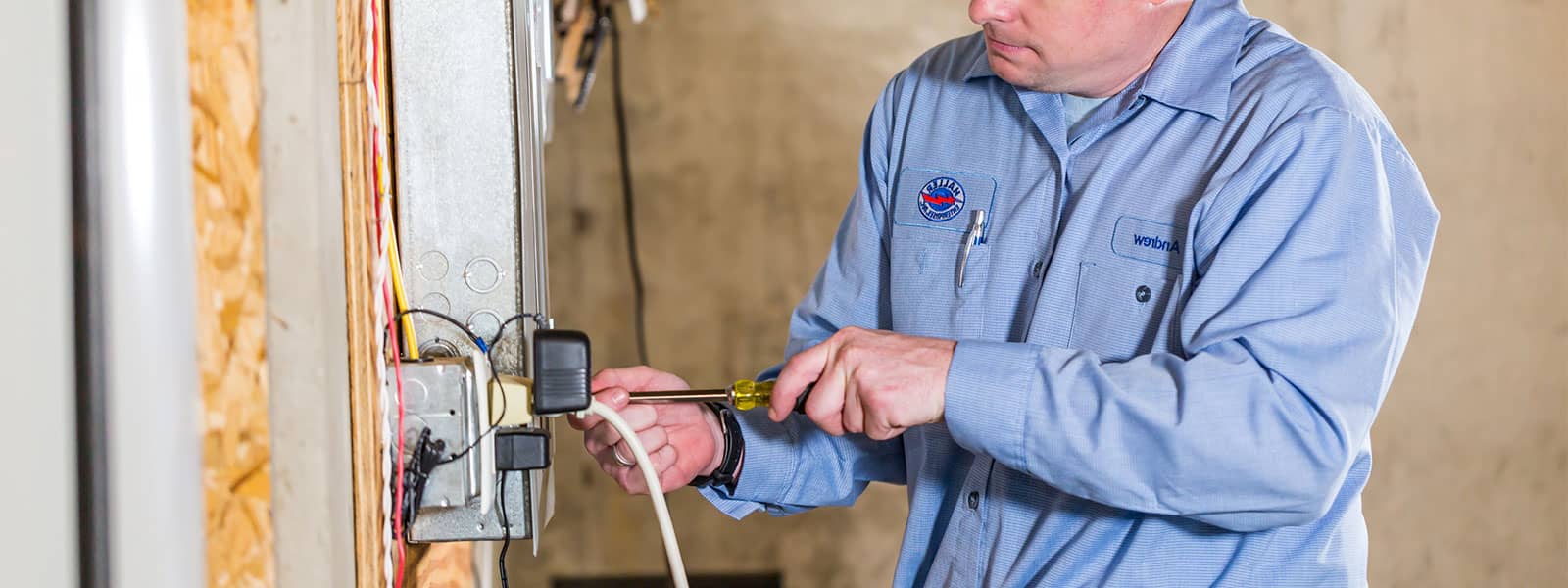
Look for obvious warning signs such as scorch marks, repeated breaker issues, buzzing, or loose outlets. Do not open or work inside the panel yourself. Electrical service work is best left to a licensed electrician.
2. Use surge protection in layers
A whole-home surge protector at the electrical panel helps protect the home’s wiring and major equipment. It’s a good way to divert larger surges before they enter the home. Point-of-use surge protectors help protect individual electronics.
3. Pay attention to your HVAC and appliances
Surges can affect more than computers and televisions. Major appliances and HVAC systems can also be vulnerable, which is one reason whole-home protection is often part of a broader electrical safety plan.
4. Replace damaged or worn power strips
A power strip is not the same thing as a quality surge protector. If a plug-in device is old, damaged, or not rated for surge protection, it may not provide the level of protection you expect.
5. Schedule an inspection before storm season
Spring is a practical time to address electrical issues because it’s better to find a weak point before an outage or thunderstorm puts stress on the system. For homeowners in older Pennsylvania homes, that timing can be especially helpful.
What affects the cost of surge protection or electrical upgrades?
Costs can vary based on the home and the work involved.
Common cost factors include:
- the age and condition of the electrical panel
- whether the home already has grounding or code-related issues
- the type of surge protection being installed
- whether additional outlet, wiring, or electrical panel work is needed
- whether the work is planned service or urgent repair
In many older Pennsylvania homes, electrical upgrades can be less straightforward because of panel age, layout, or legacy wiring.
Repair or replace: how to think about the next step
Repair may make sense when the issue is limited, such as:
- a damaged outlet
- a loose connection
- a specific device that needs replacement
Replacement or a larger upgrade may be worth discussing when:
- the panel is outdated
- breakers trip repeatedly
- the home lacks the protection needed for today’s electrical loads
For surge protection, the question is often less about repair versus replace and more about whether the home has the right layers of protection. A licensed electrician can help determine whether a whole-home surge protector, outlet upgrades, or panel work makes sense for the property.
When to call a professional in Pennsylvania
It is time to call a licensed electrician if you notice:
- repeated breaker trips
- flickering that keeps coming back
- buzzing
- warm outlets
- a burning smell
- storm-related damage
It is also smart to call if you want to add whole-home surge protection or you are unsure whether the home’s electrical panel can support it safely.
Spring storms don’t have to catch your home off guard. If you have questions about surge protection, panel safety, or recurring electrical problems, schedule service with Haller and talk with a local electrical professional about the safest next step for your Pennsylvania home.
Frequently Asked Questions
What causes spring power surges in Pennsylvania homes?
Spring power surges in Pennsylvania homes can come from lightning activity, utility events, and internal electrical switching inside the home. Large appliances cycling on and off can create smaller internal surges, while storms can bring outside surge risk.
How can I protect my home from spring power surges?
Home protection from spring power surges usually involves layered surge protection, including a whole-home device and quality point-of-use protection for sensitive electronics. A licensed electrician can help determine whether your panel and grounding setup are ready for that protection.
What are the signs my home may need surge protection?
Signs a home may need surge protection include flickering lights, recurring breaker trips, buzzing outlets, warm receptacles, and a lack of protection for modern electronics and appliances. These warning signs are worth checking before Pennsylvania storm season becomes more active.
Is whole-home surge protection worth considering for a Pennsylvania home?
Whole-home surge protection is worth considering for a Pennsylvania home when the home has valuable electronics, major appliances, or recurring electrical issues that raise concern about surge damage. Whole-home protection helps address larger surges before they travel deeper into the home’s wiring.
When should I call a professional electrician for spring surge concerns?
A professional electrician should be called for spring surge concerns when a home has repeated breaker trips, flickering that keeps returning, buzzing outlets, warm receptacles, a burning smell, or questions about adding whole-home surge protection. For homeowners in central and eastern Pennsylvania, spring is a practical time to schedule that work before storms become more frequent.